
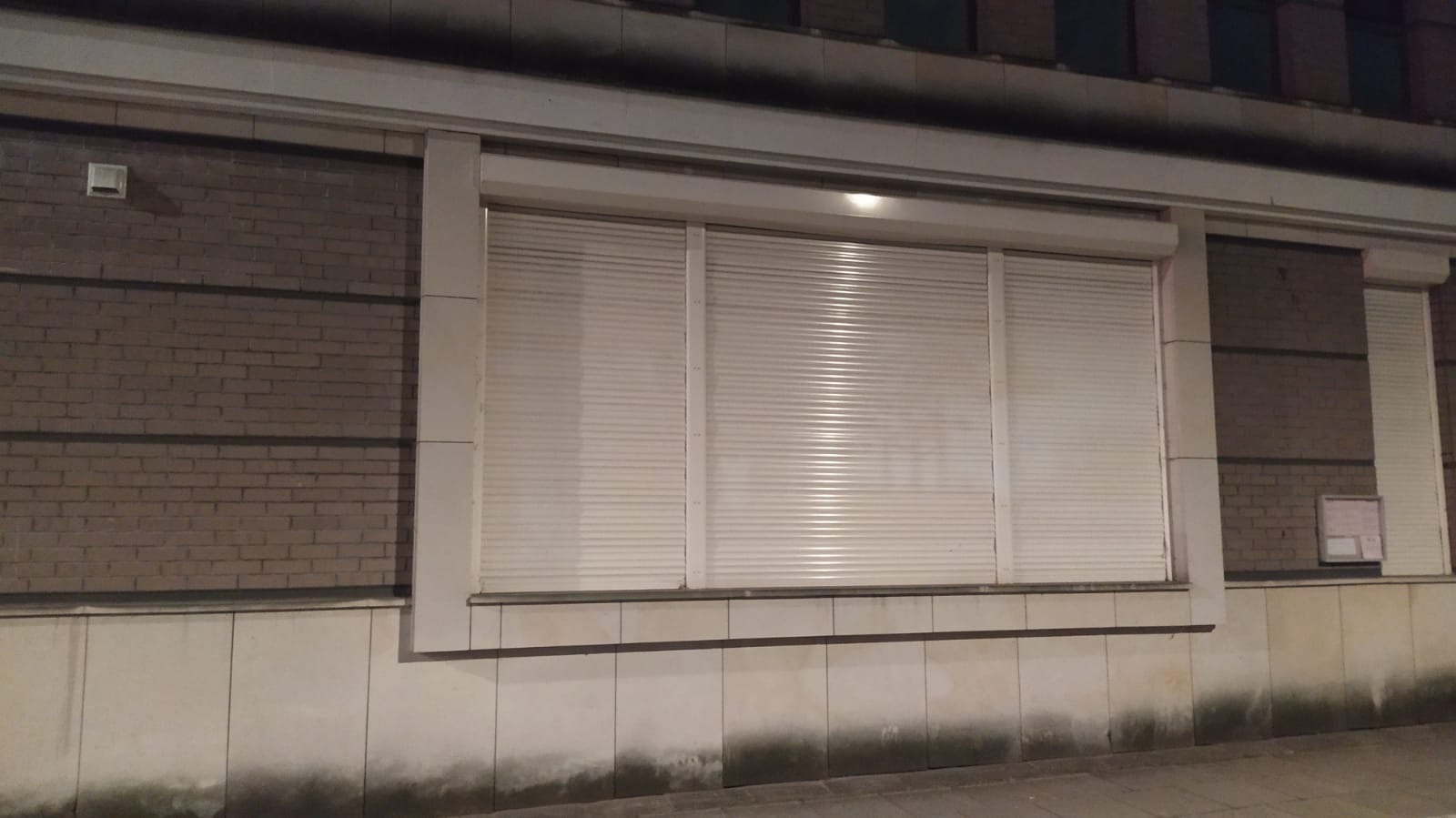
For a private home, security shutters are most useful when they protect a specific opening that is easy to reach and hard for neighbours or cameras to see. Think rear patio doors, side windows behind a fence, basement openings and detached garages — not automatically every window on the house.
The short answer: start with the most vulnerable opening, then combine that physical barrier with good locks, lighting, clear sightlines and detection. Shutters can delay and deter entry, but they cannot guarantee that a break-in will not happen.
The homeowner decision in 60 seconds
- Prioritize access: a reachable, concealed opening deserves attention before an upper-floor window visible from the street.
- Protect selectively: one patio door or a small group of side and rear windows may be a more practical first project than the whole house.
- Keep security layered: shutters work alongside door hardware, lighting, visibility, alarms and household routines.
- Plan daily use: decide how the shutter opens, who operates it and how emergency exit needs will be preserved.
What current Toronto and Peel data says
Concern about home security is understandable, but the latest published figures do not support a claim that break-and-enter is surging across every Toronto or Brampton neighbourhood.
Those reductions are good news. They do not make an individual home risk-free: Toronto still recorded thousands of occurrences, and Peel — which includes Brampton and Mississauga — recorded more than a thousand in the first half of 2026. In May 2026, Toronto Police also said break-and-enters were trending down while home invasions were up compared with the same time a year earlier. The useful question is therefore property-specific: which opening is exposed, and which combination of measures addresses it?
Data note: police statistics describe reported occurrences across large jurisdictions. They do not predict the risk at a specific address, and reporting methods can differ between agencies.
Which openings should a homeowner assess first?
Walk around the property in daylight and again after dark. Look at the house as a sequence of possible approaches rather than a collection of identical windows. Start with:
- Rear patio doors: large glazed areas may sit outside normal street view.
- Side and ground-floor windows: fences, hedges, sheds or narrow walkways can reduce natural surveillance.
- Basement openings: low placement can make them reachable while window wells create concealment.
- Detached garages and workshops: these may be separated from the occupied part of the home and contain tools or equipment.
- Previously targeted openings: attempted entry, repeated damage or a weak replacement should prompt a focused review.
A visible front window on an upper floor may be a lower priority than a concealed patio door, even if the front window is larger. Accessibility and concealment usually matter more than simple size.
Protect the opening that is easiest to reach, hardest to observe and most consequential if breached.
Shutters should be one layer, not the whole plan
Toronto Police describes residential break-ins as commonly opportunistic and recommends a combination of solid exterior doors, quality deadbolts and strike plates, secured sliding doors, locked garages, clear sightlines, exterior lighting and a home security system. Its Crime Prevention Through Environmental Design guidance also emphasizes natural surveillance and access control.
A practical home-security plan may include:
- Delay: strengthen accessible doors, windows and large glazed openings.
- Visibility: trim concealment around approaches and illuminate entrances without creating deep shadows.
- Detection: consider alarm, glass-break, door and video verification appropriate to the home.
- Routine: decide who closes shutters, checks doors and responds to alerts before leaving or going to bed.
- Emergency safety: preserve required exits and confirm building, condominium or property constraints before installation.
The shutter adds a physical barrier. The rest of the plan helps make an approach visible, detect activity and support a response.
When shutters are likely to be a good fit
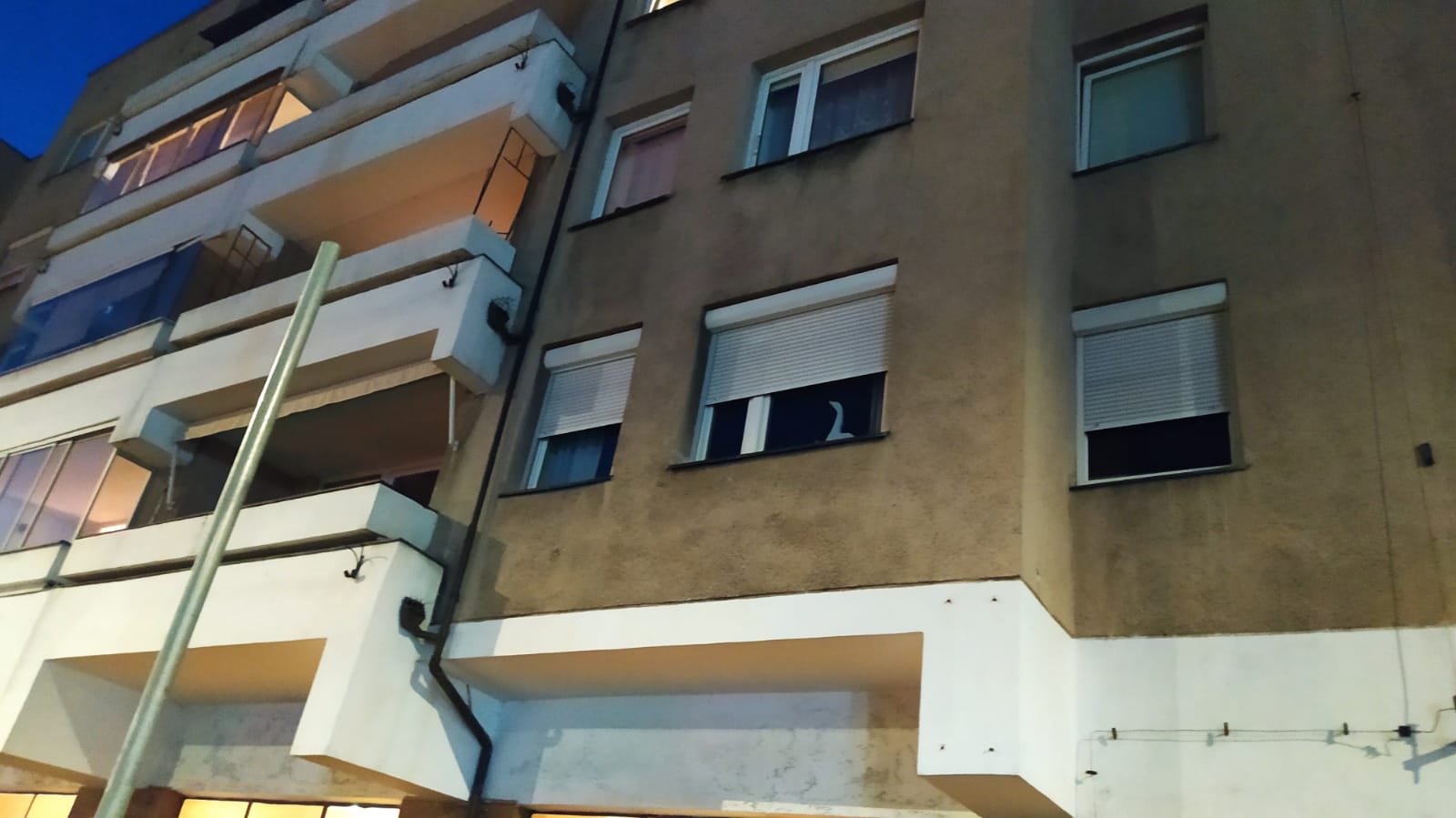
Security shutters deserve closer consideration when a home has large accessible glass, limited sightlines, regular periods without occupants, a detached structure or a documented concern at one opening. They can also support privacy, light control and weather protection depending on the selected system, but those secondary goals should be discussed rather than assumed.
For a new build or major renovation, a built-in roller shutter may be easier to integrate into the architecture. For an existing home, an exterior system may be more practical where the structure and clearances allow it. The right answer depends on the wall, trim, opening dimensions, available space and desired controls.
When another improvement should come first
If the main exterior door has weak hardware, the sliding door can be lifted or forced easily, landscaping hides the entrance, or the property is dark at night, those basic weaknesses may deserve attention before shutters. Toronto Police specifically recommends solid exterior doors, quality deadbolts and strike plates, secured sliding doors, locked garages, visibility and lighting.
Shutters may also be a poor first step when the intended opening must serve as an emergency exit and the operating plan is unresolved, when condominium or landlord approval is missing, or when the mounting surface cannot support the proposed system without additional work. These are reasons to assess properly, not to force a product onto the opening.
Toronto and Brampton: assess the home, not the postal code
Toronto Police reports city-wide data, while Peel Regional Police combines Brampton and Mississauga in its regional statistics. Neither dataset identifies the risk at a particular house. A detached home beside an alley, a townhouse with a visible rear yard and a rural-edge property can have very different exposure even within the same municipality.
Use the local figures as context, then make the project decision from the actual approach routes, visibility, occupancy pattern and opening condition. Focused protection is more credible than treating an entire city as uniformly dangerous.
What to prepare before requesting a quote
- Photos from inside and outside, including the wall above and beside the opening.
- Approximate width and height of each opening.
- A short explanation of why the opening feels vulnerable.
- How often you expect to operate the shutter and who will use it.
- Whether you prefer a visible exterior system or a more integrated approach.
- Any emergency-exit, condominium, landlord or property-management constraints.
- The locks, lighting, alarm and cameras already in place.
Approximate measurements are enough for the first conversation. Final system selection and production dimensions require the appropriate project review.
Plan the vulnerable opening
Review the right shutter approach for your home.
North Shutters reviews residential openings across Toronto, Brampton and surrounding GTA communities. Send your city, photos and approximate measurements to start.
Sources and context
- Toronto Police Service 2025 Annual Report
- Toronto Police Service Board remarks, May 14, 2026
- Peel Regional Police crime statistics and maps
- Toronto Police break-and-enter prevention guidance
- Toronto Police Crime Prevention Through Environmental Design guidance
Statistics were checked on August 18, 2026. Police agencies may revise published figures.